
The ‘archives’ in which charters have been preserved are listed below, grouped according to the number of charters preserved from each of the religious houses in question.
73 archives holding about 1,631 documents, in 4 groups. Choose a group to see its archives.
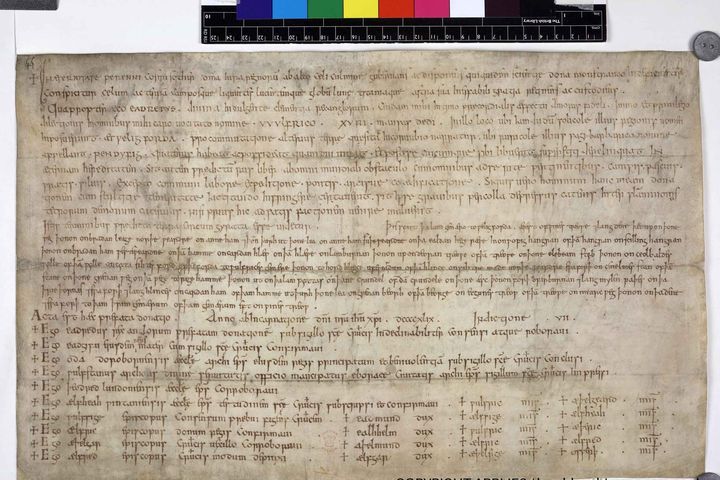
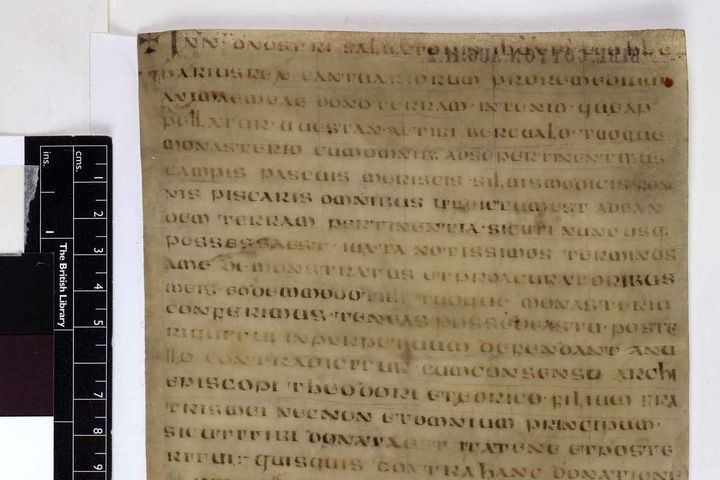
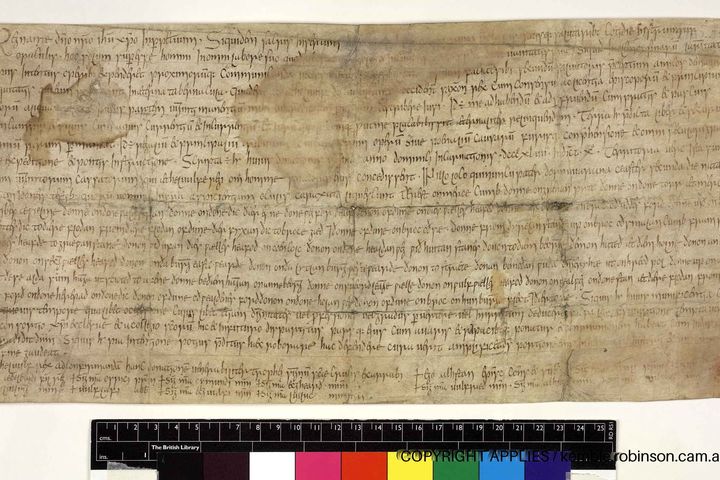
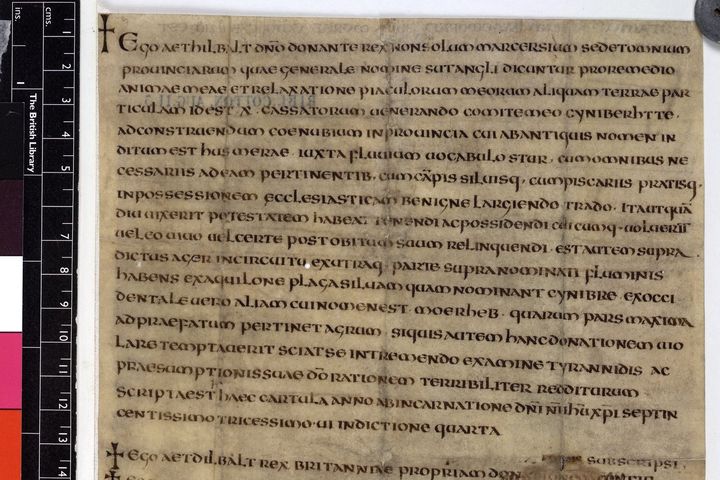 4Major archivesover 100 documents4 archives · 774 documents · 170 single sheetsOpen →
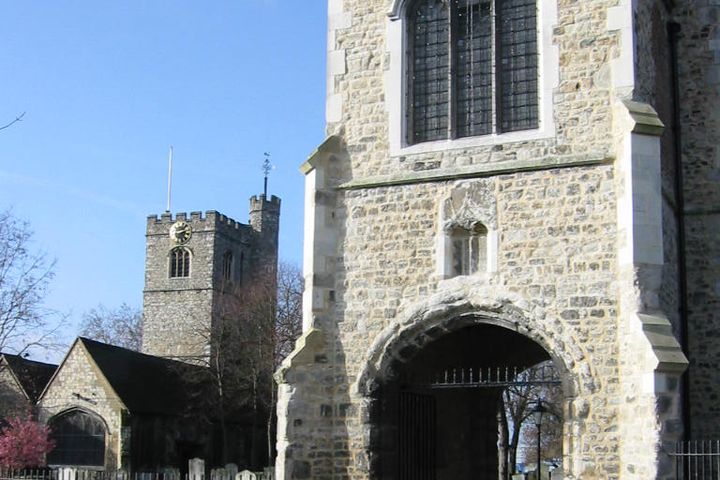
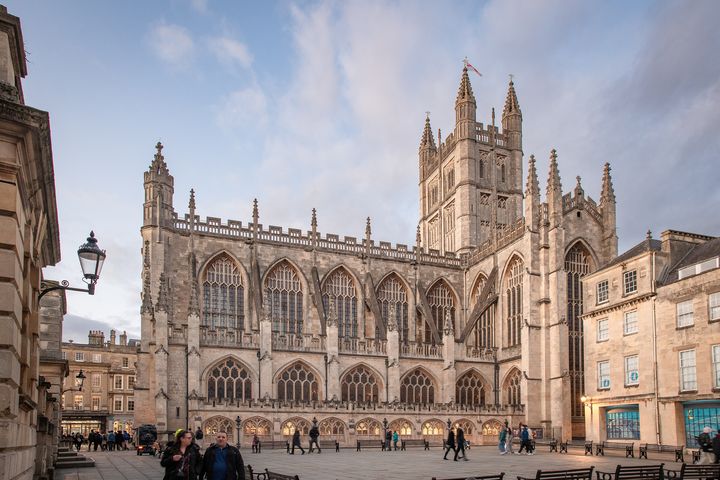
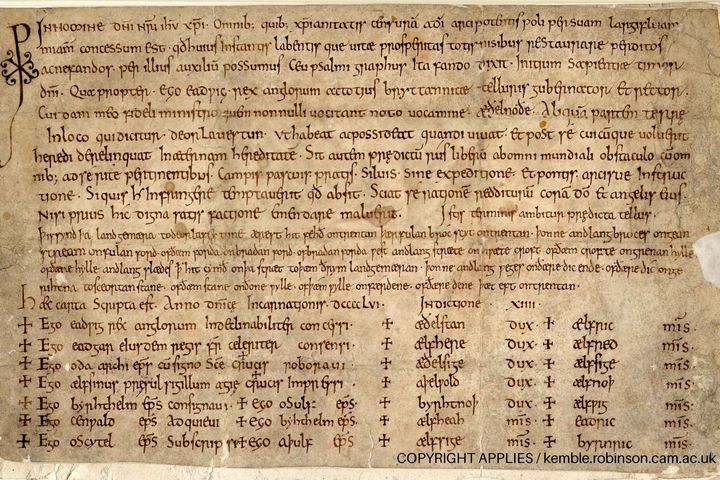
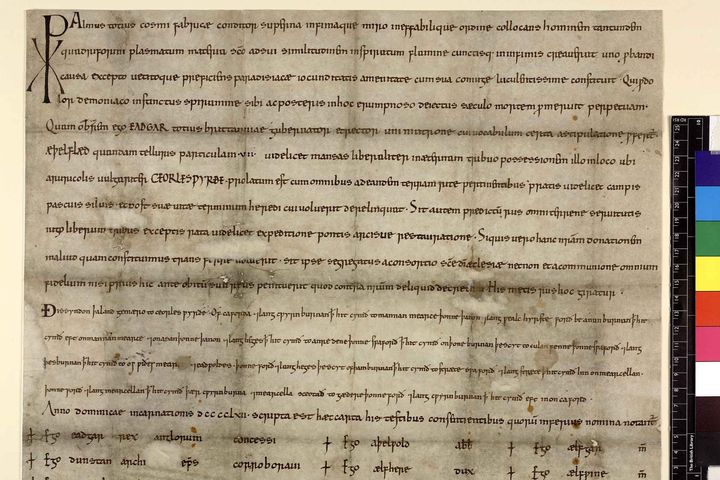 27Middle-sized archives10 to 60 documents27 archives · 765 documents · 66 single sheetsOpen →
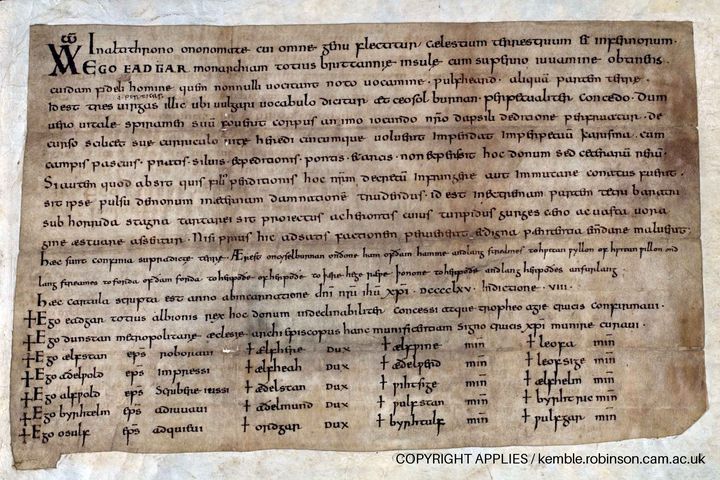
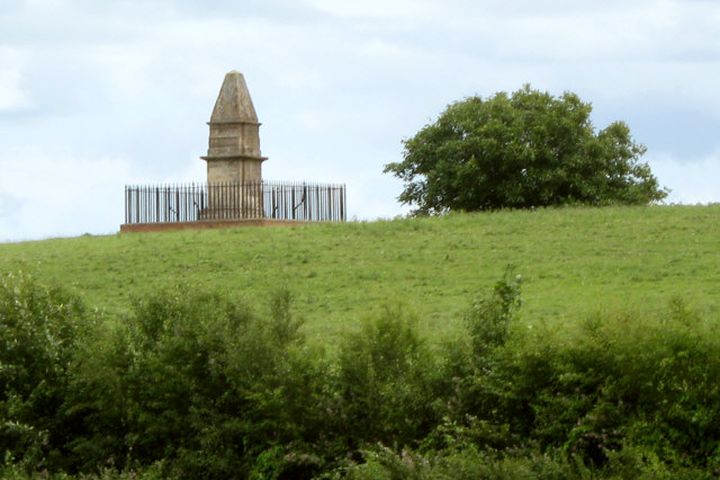
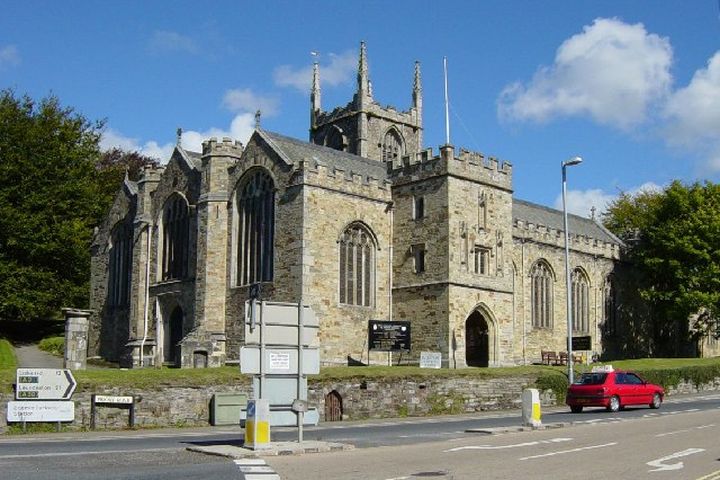
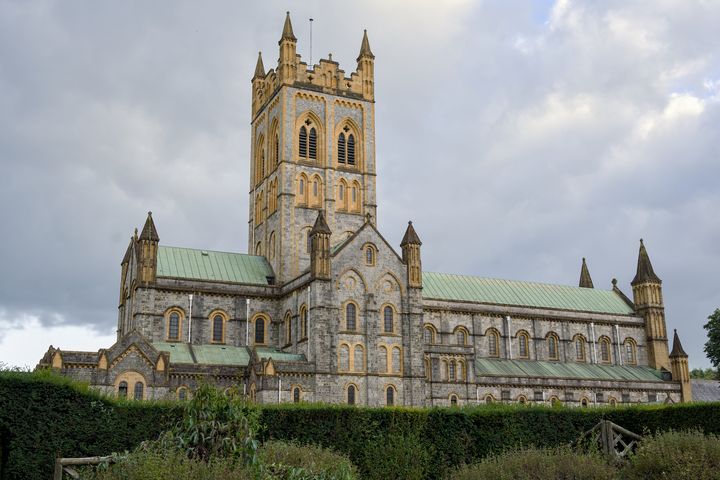 42Minor archivesfewer than 10 documents, by region42 archives · 92 documents · 10 single sheetsOpen →Other archivesunprovenanced chartersRead the note →
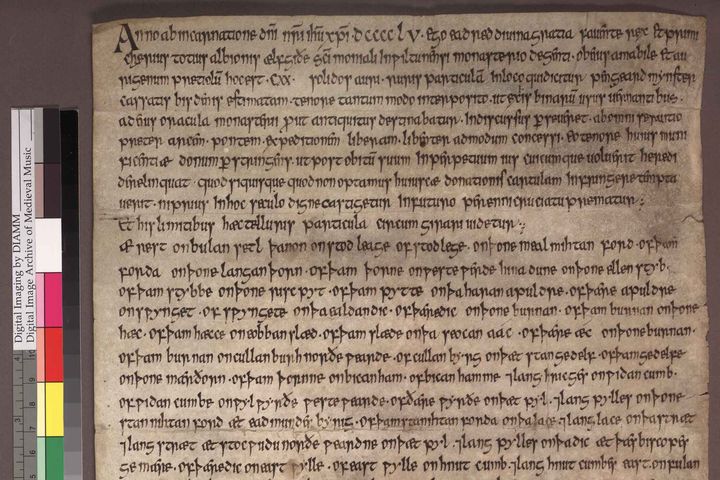
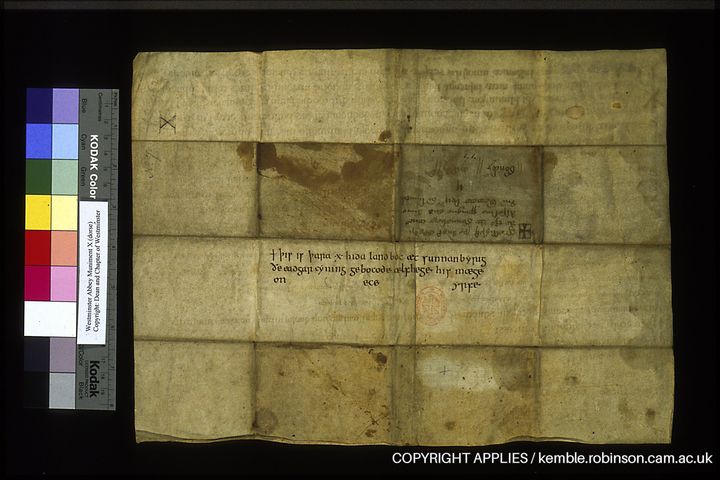
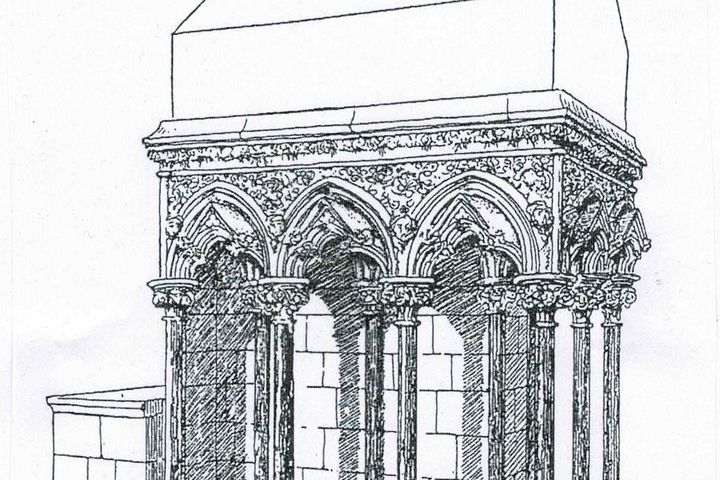
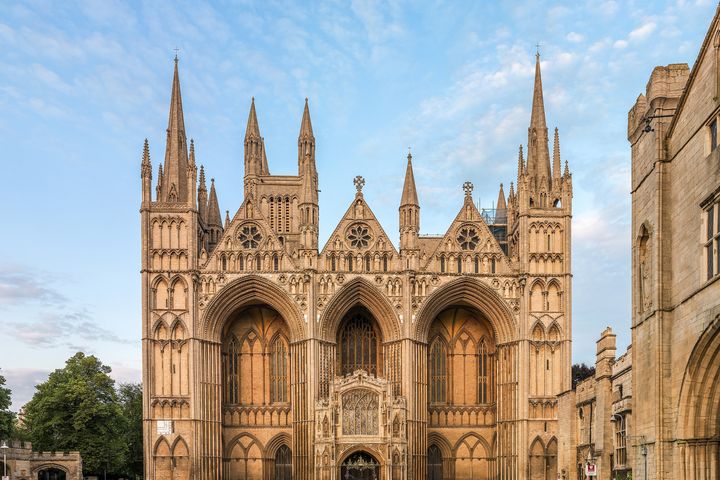 34Religious housesthe Domesday register, county by countya separate pageOpen →?About this sectionwhat the archival profiles are and how they aroseFour paragraphs from the original page, kept below the cards.Read →
Major archives over 100 documents
Middle-sized archives 10 to 60 documents
Image: Wikimedia Commons · Public domainImage: Wikimedia Commons · CC BY 4.0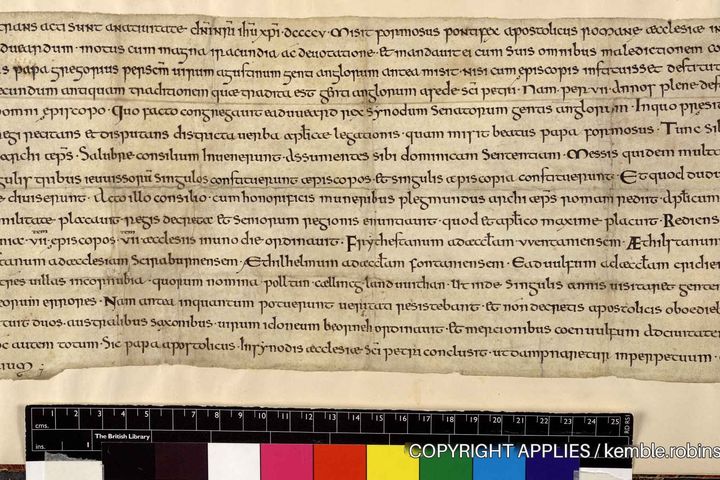
 Image: Wikimedia Commons · CC BY-SA 4.0
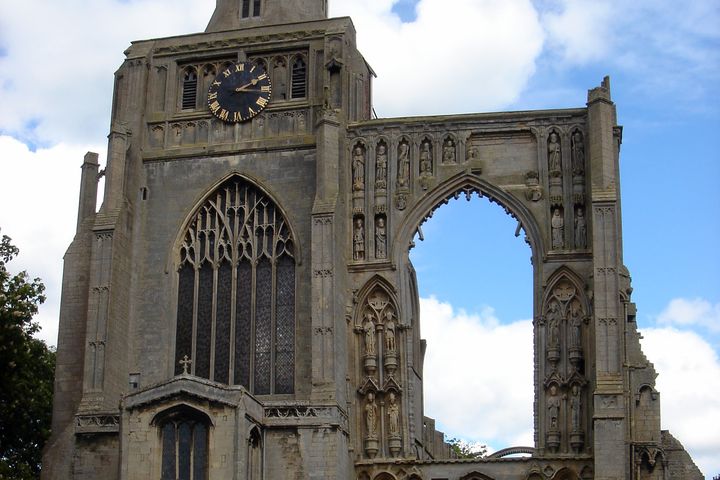 Image: Wikimedia Commons · CC BY-SA 3.0Image: Wikimedia Commons · Public domain
Ely
12 documents1 single sheet1,810 words
, with the Libellus Æthelwoldi episcopi and Latin abstracts from Liber Eliensis (edition in preparation, ed. Keynes and Kennedy
 Image: Wikimedia Commons · CC BY 2.0
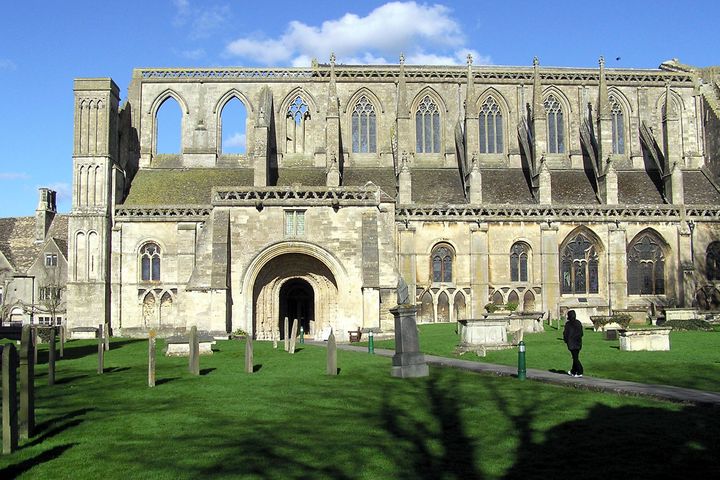 Image: Wikimedia Commons · Public domain
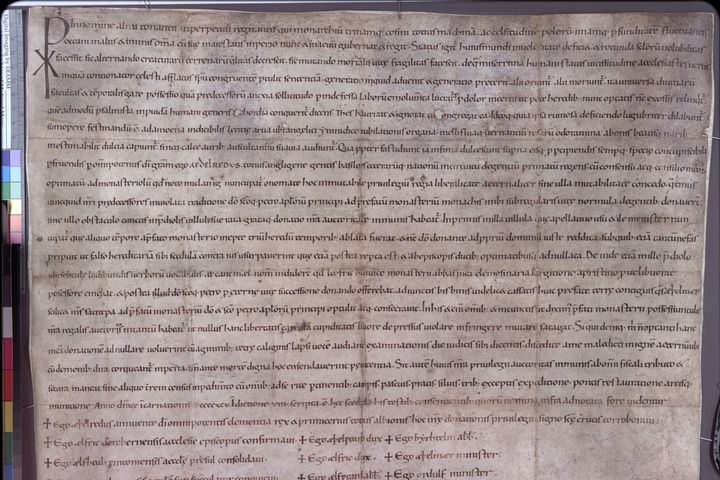 Image: Wikimedia Commons · CC BY-SA 3.0
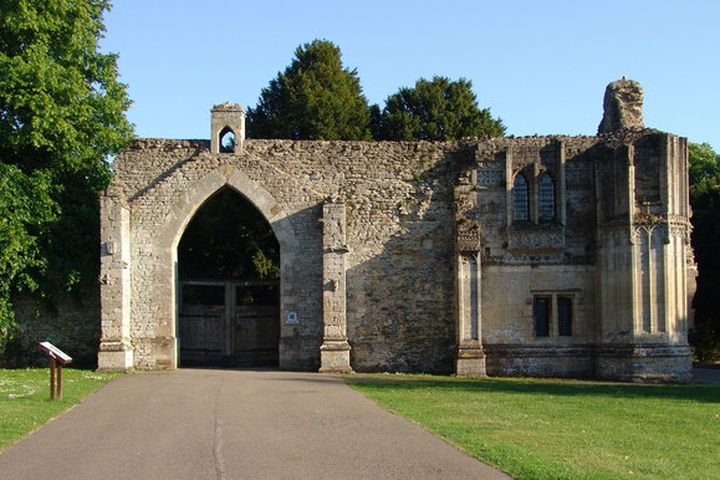 Image: Wikimedia Commons · CC BY-SA 2.0
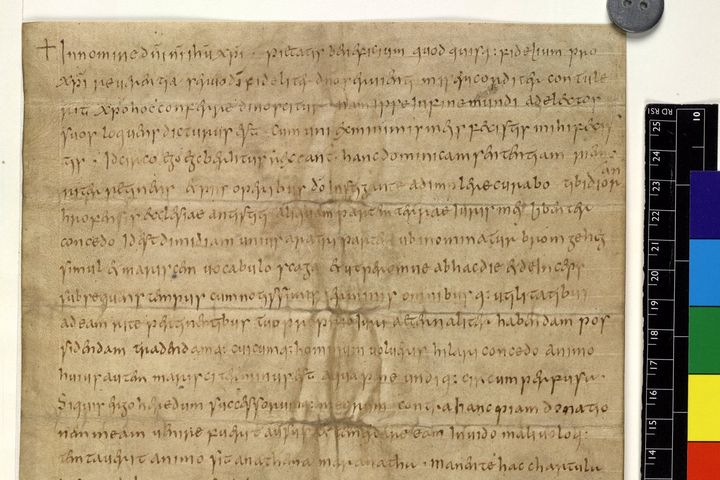
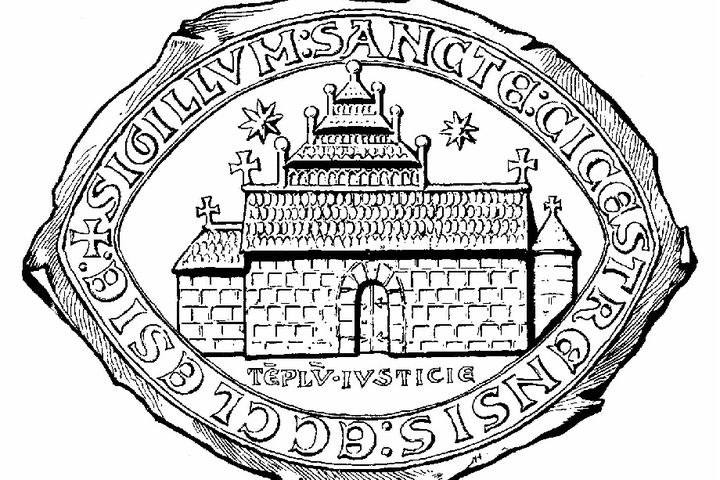 Image: Wikimedia Commons · Public domain
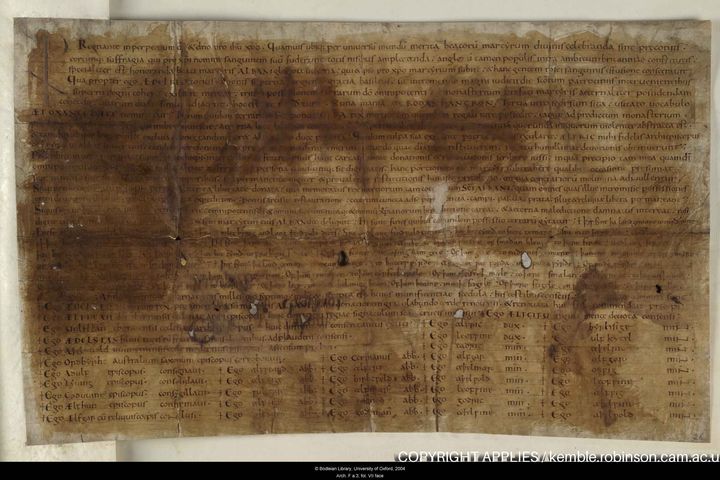
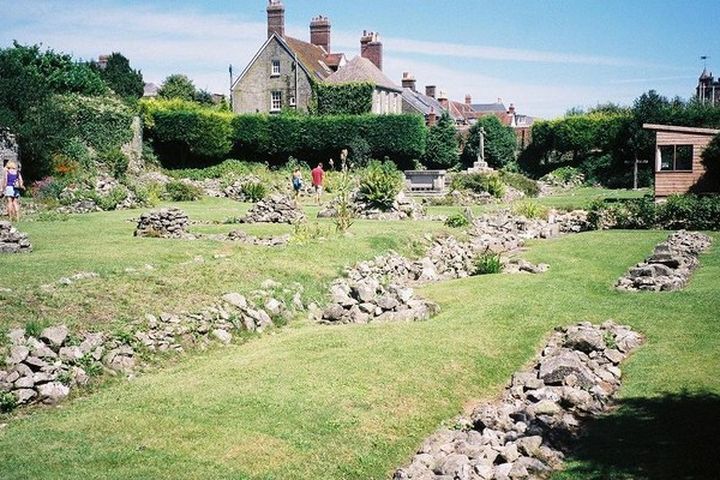 Image: Wikimedia Commons · CC BY-SA 2.0
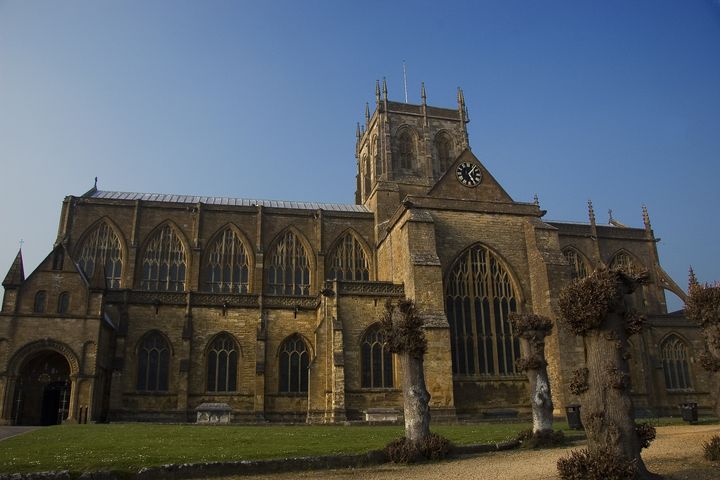 Image: Wikimedia Commons · CC BY-SA 3.0
 Image: Wikimedia Commons · CC BY-SA 2.0
 Image: Wikimedia Commons · CC BY-SA 3.0
 Image: Wikimedia Commons · CC BY-SA 2.0
 Image: Wikimedia Commons · Public domain
 Image: Wikimedia Commons · CC0
Minor archives fewer than 10 documents, by region
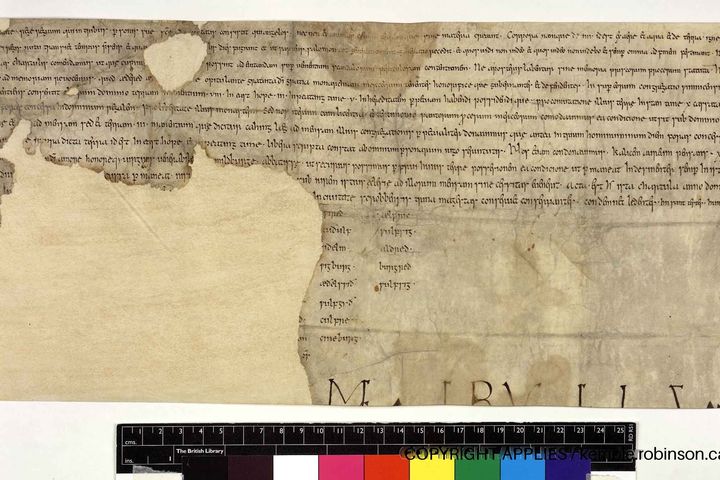
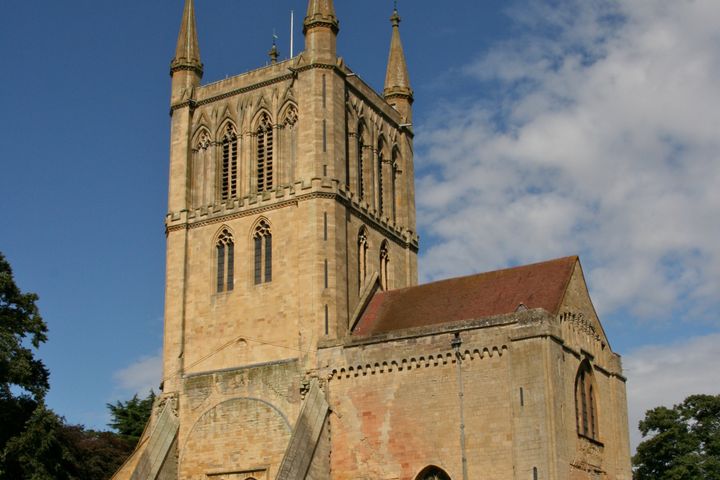
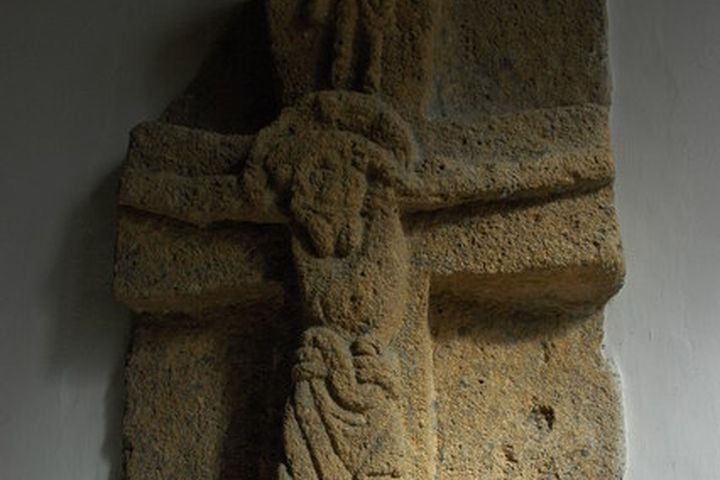
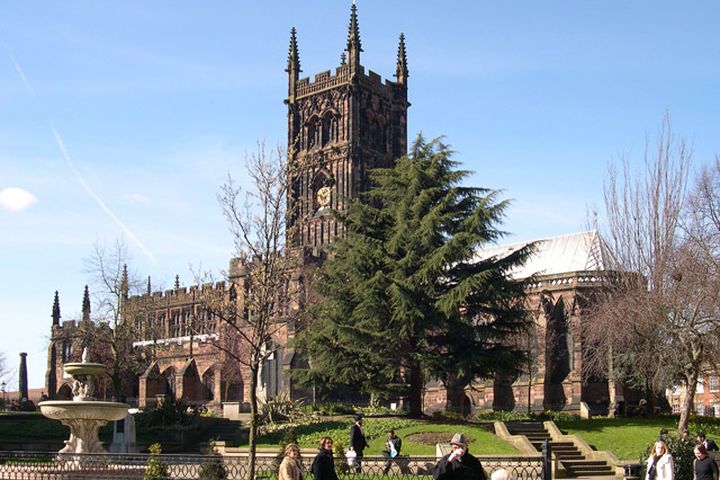
Charters preserved in ‘minor’ archives are necessarily grouped together on a regional basis, and published in that form. Northern Houses, ed. Woodman 2012, begins with the charters from York Minster (above), but includes additional sections for texts from Durham, Beverley, Ripon, and Lowther Castle. Midland Archives, ed. Kelly, in preparation, comprises sections for charters from 11 archives (Cirencester, Chester, Coventry, Eynsham, Gloucester, Hereford, Much Wenlock, Oxford, Pershore, Winchcombe, Wolverhampton), and Southern Archives, ed. Kelly, in preparation, comprises sections for charters from 11 archives (Abbotsbury, Amesbury, Buckfast, Cerne Abbas, Christchurch [Hants.], Cranborne, Milton Abbas, Plympton, Romsey, Tavistock, Wherwell). It is intended that the several charters preserved at religious houses on the continent (listed below) will be brought together in the same way.
The South Westto be edited in Southern Archives, unless otherwise states16 archives · 34 documents · 6 single sheetsOpen →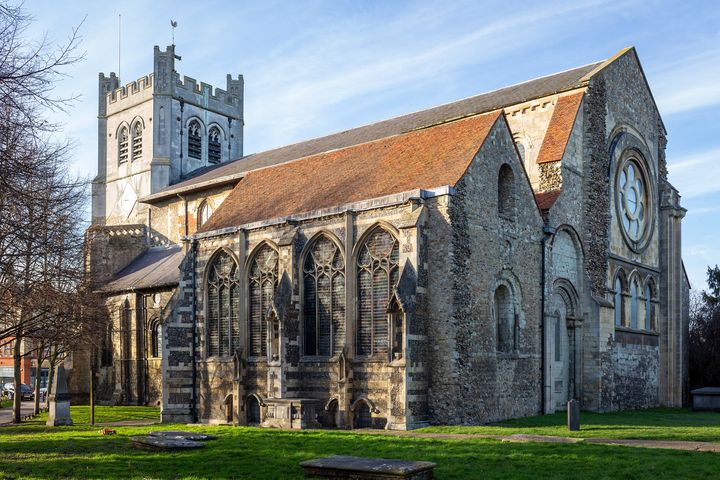
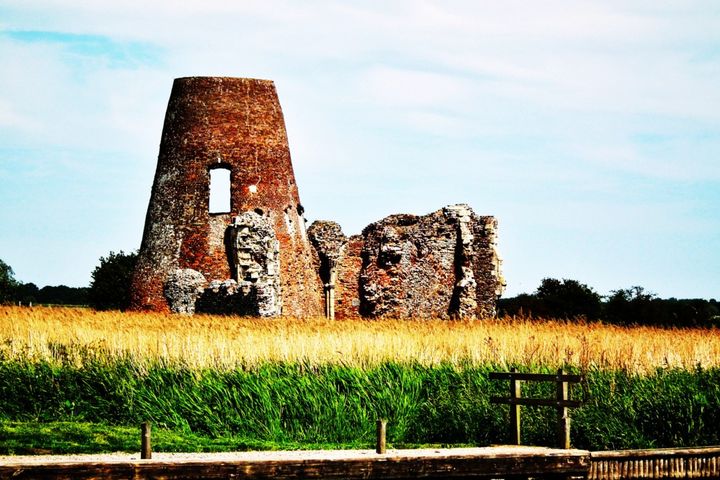 Eastern England2 archives · 3 documentsOpen →
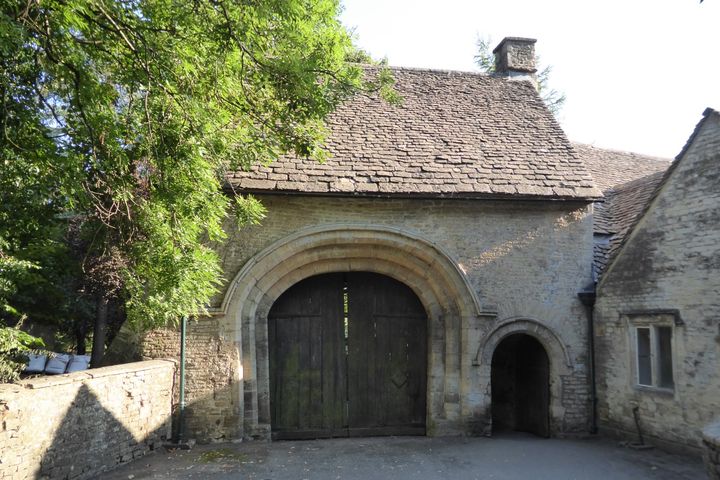
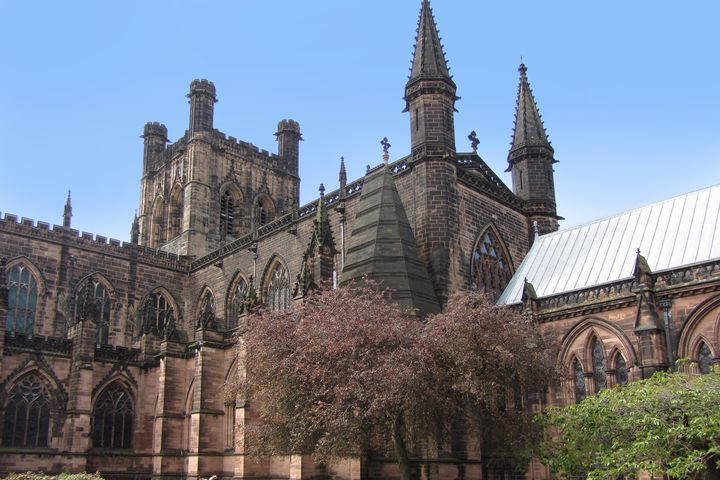
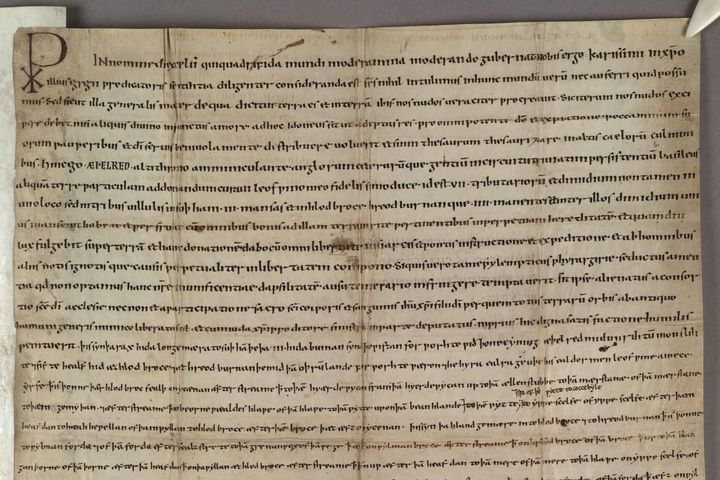 The West Midlandsto be edited in Midland Archives9 archives · 25 documents · 4 single sheetsOpen →
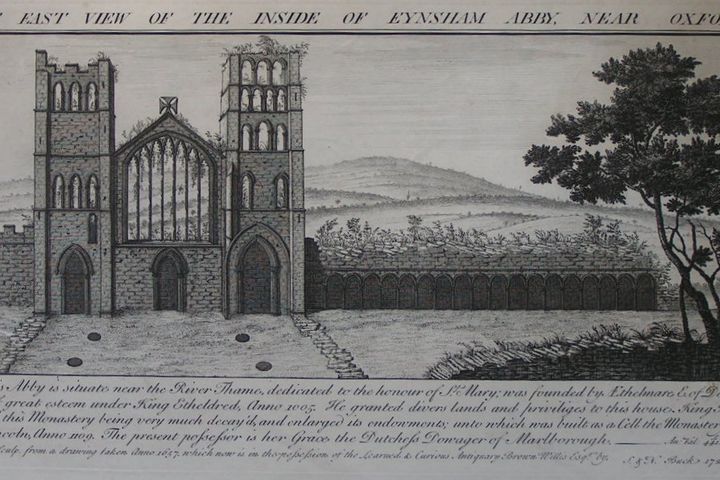
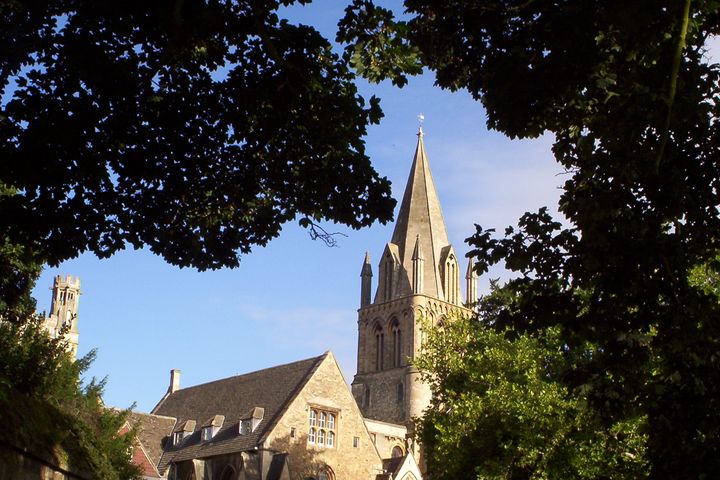 The Thames Valleyto be edited in Midland Archives, unless otherwise stated3 archives · 5 documentsOpen →
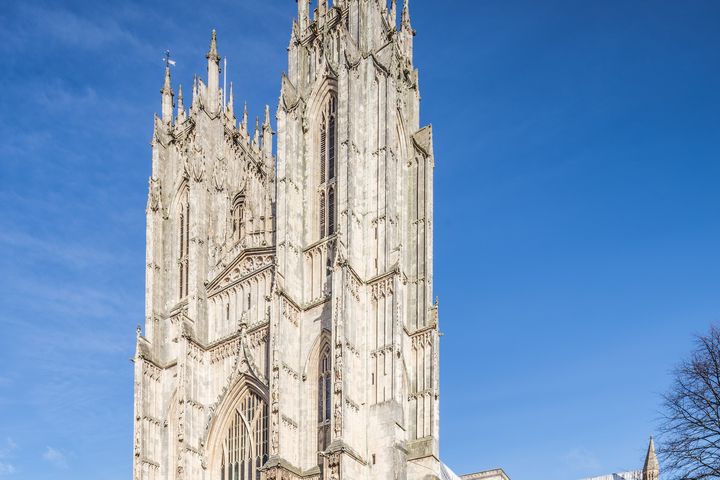
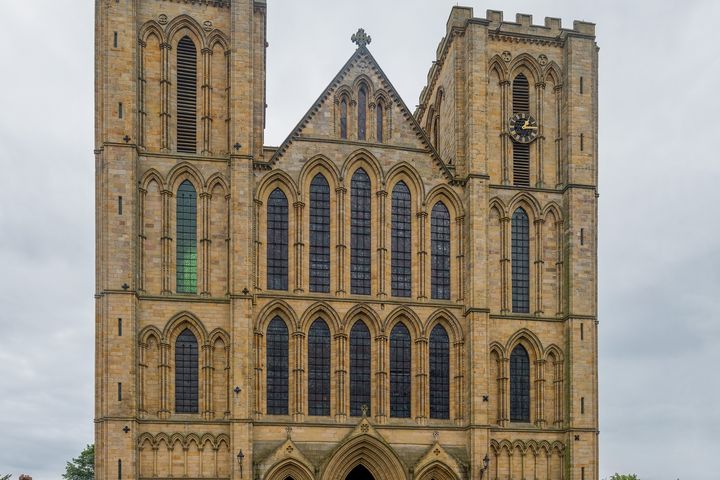
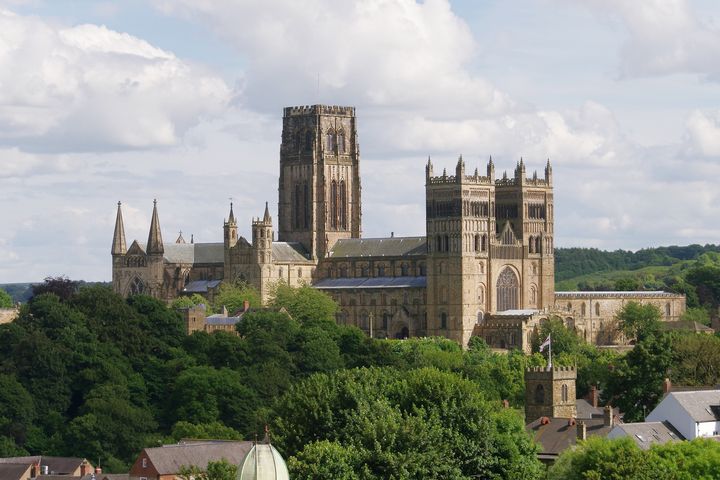 Northern Englandall edited in Northern Houses4 archives · 9 documentsOpen →
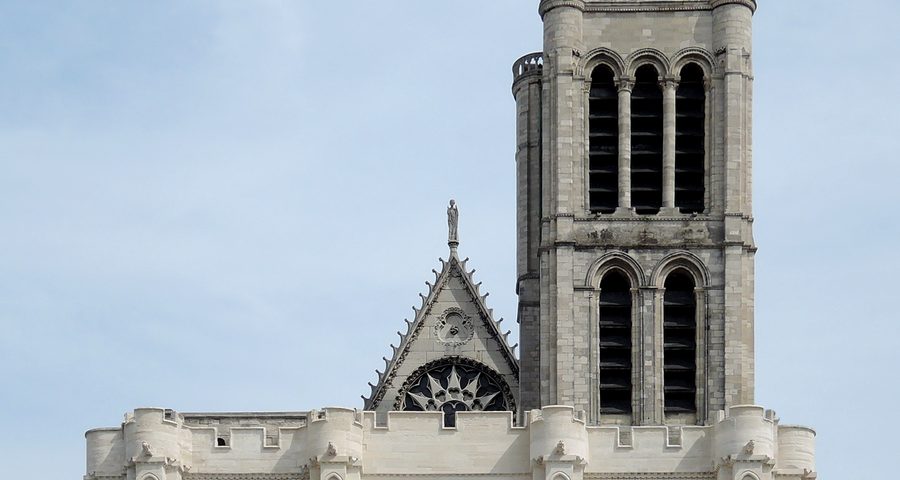
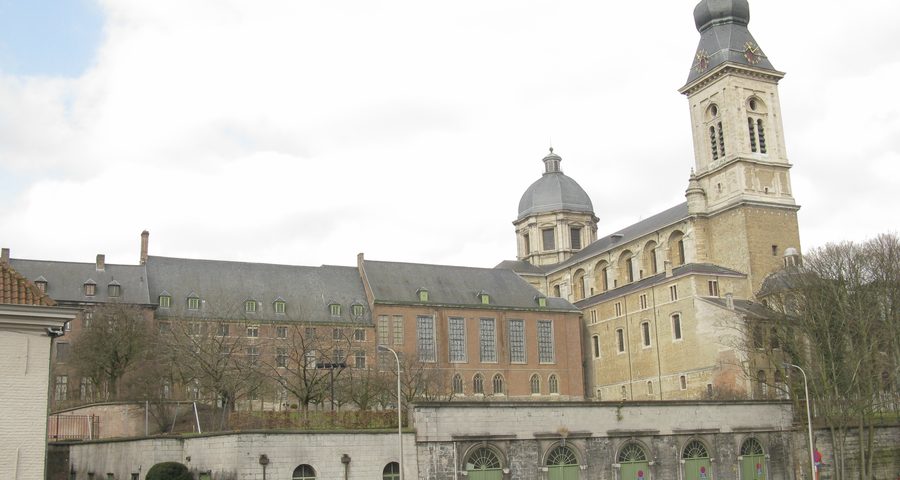
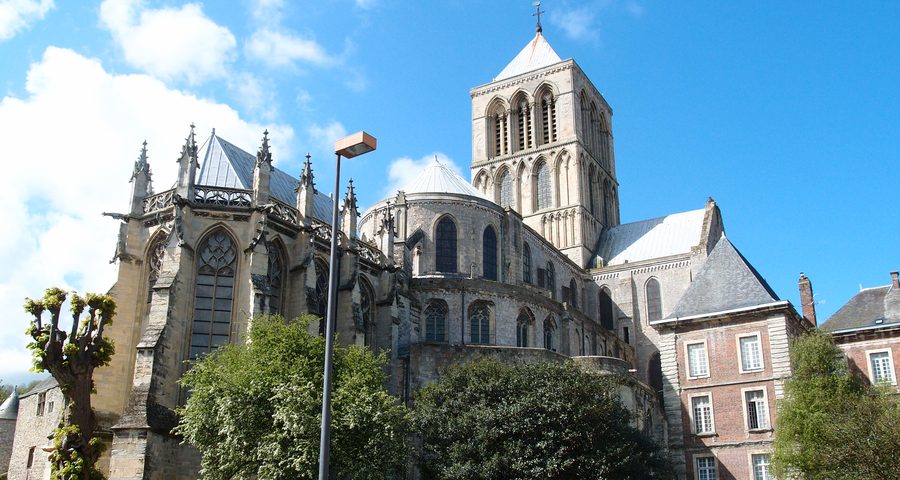 The Continentto be edited in Religious houses in Flanders and France8 archives · 16 documentsOpen →
The South West fewer than 10 documents, by region
to be edited in Southern Archives, unless otherwise states
Image: Wikimedia Commons · CC BY-SA 2.0Image: Wikimedia Commons · CC BY-SA 2.0Image: Wikimedia Commons · CC BY 4.0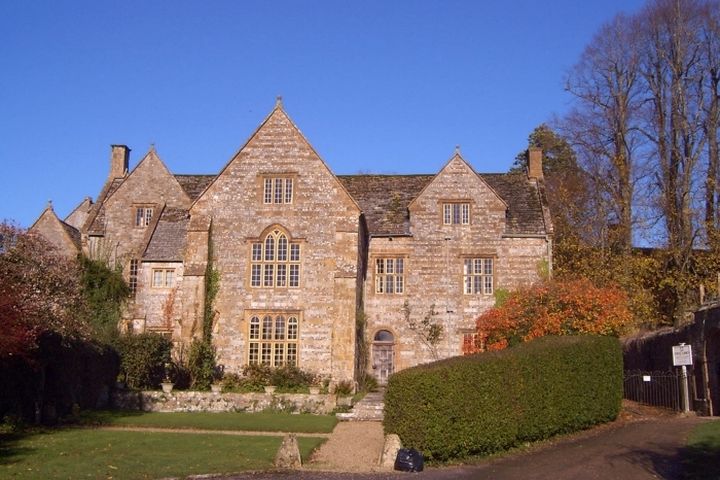 Image: Wikimedia Commons · CC BY-SA 3.0
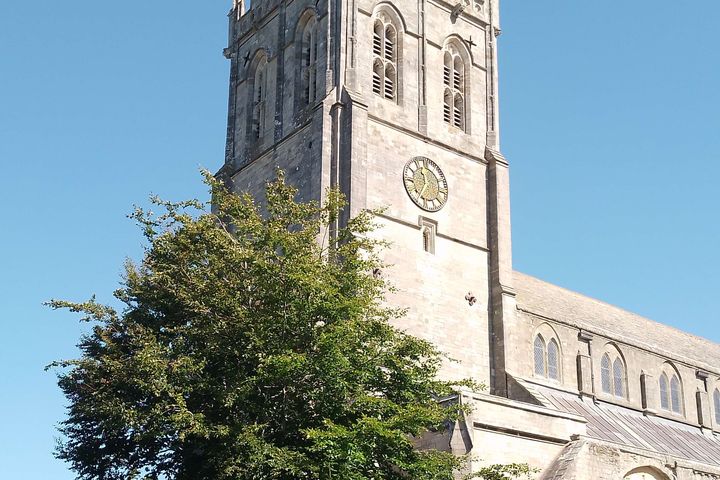 Image: Wikimedia Commons · CC BY-SA 4.0
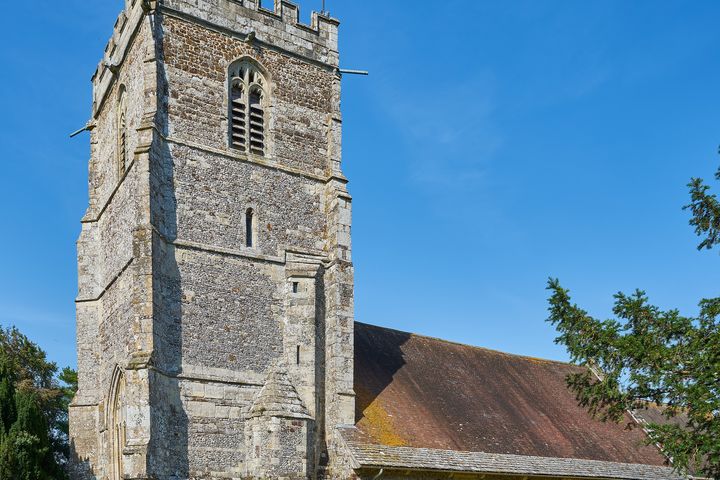 Image: Wikimedia Commons · CC BY-SA 4.0
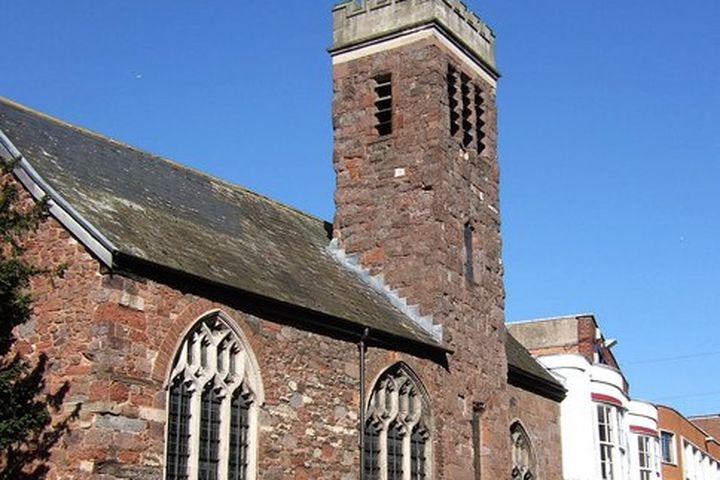 Image: Wikimedia Commons · CC BY-SA 2.0Image: Wikimedia Commons · Public domain
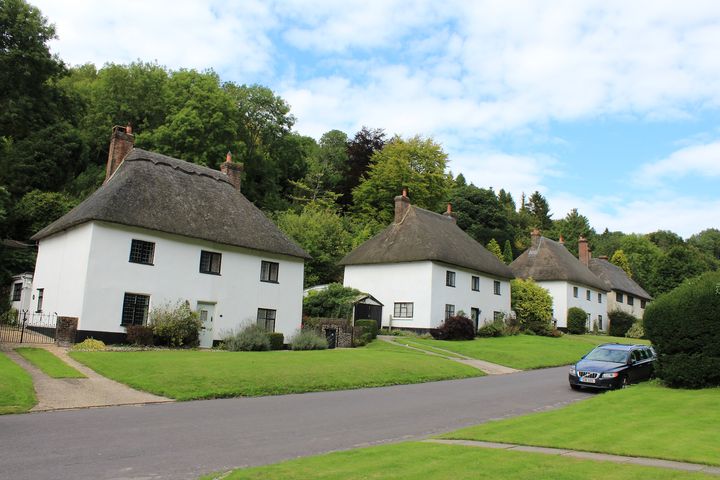 Image: Wikimedia Commons · CC BY-SA 4.0
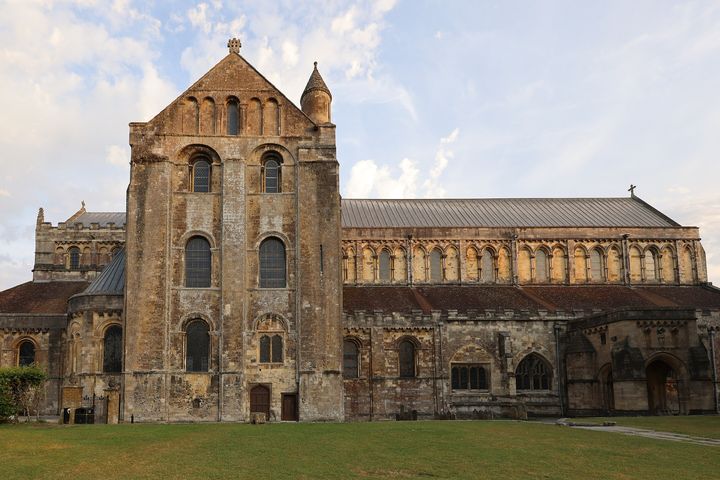 Image: Wikimedia Commons · CC BY-SA 4.0
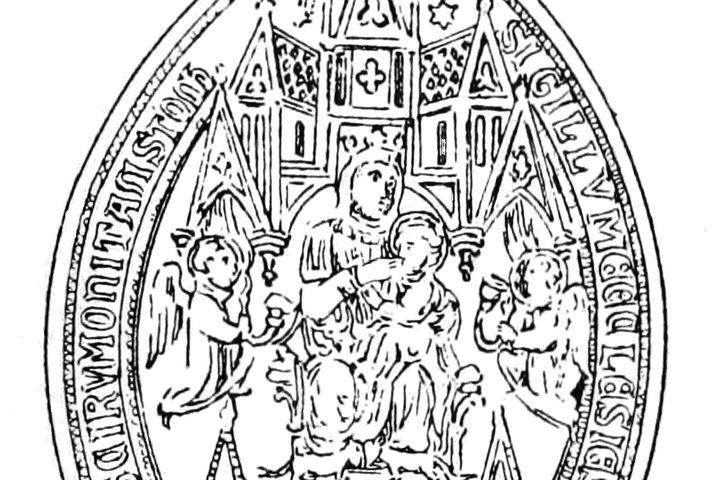 Image: Wikimedia Commons · Public domain
Eastern England fewer than 10 documents, by region
The West Midlands fewer than 10 documents, by region
to be edited in Midland Archives
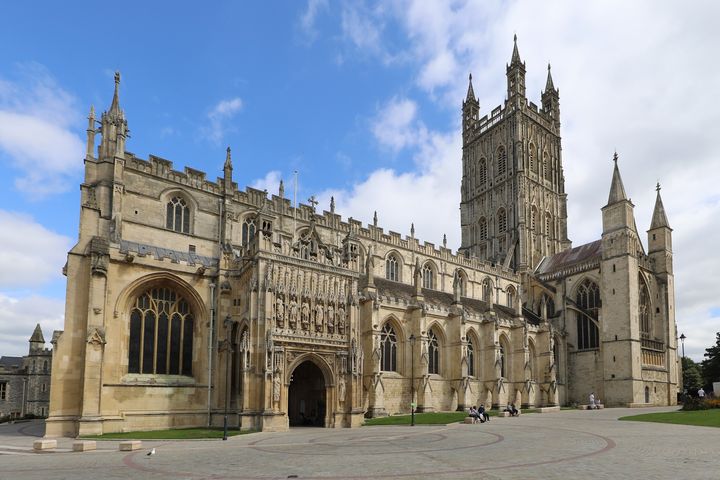
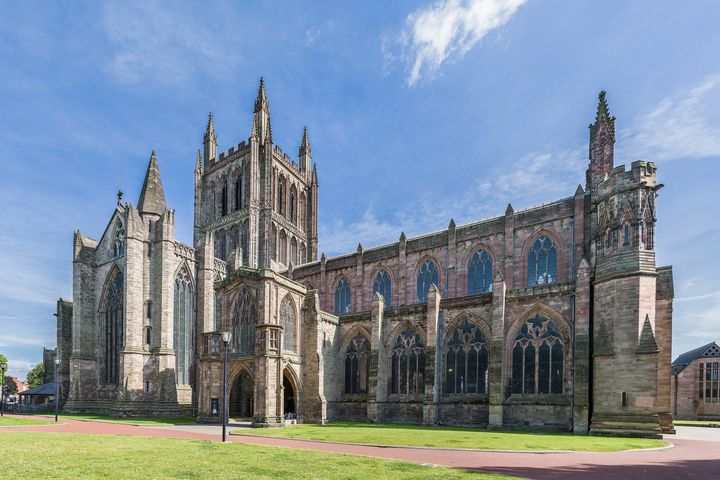
The Thames Valley fewer than 10 documents, by region
to be edited in Midland Archives, unless otherwise stated
Northern England fewer than 10 documents, by region
all edited in Northern Houses
The Continent fewer than 10 documents, by region
to be edited in Religious houses in Flanders and France
Read the overview of the continental houses →
Image: Wikimedia Commons · CC BY-SA 4.0Image: Wikimedia Commons · CC BY-SA 3.0Image: Wikimedia Commons · CC BY 3.0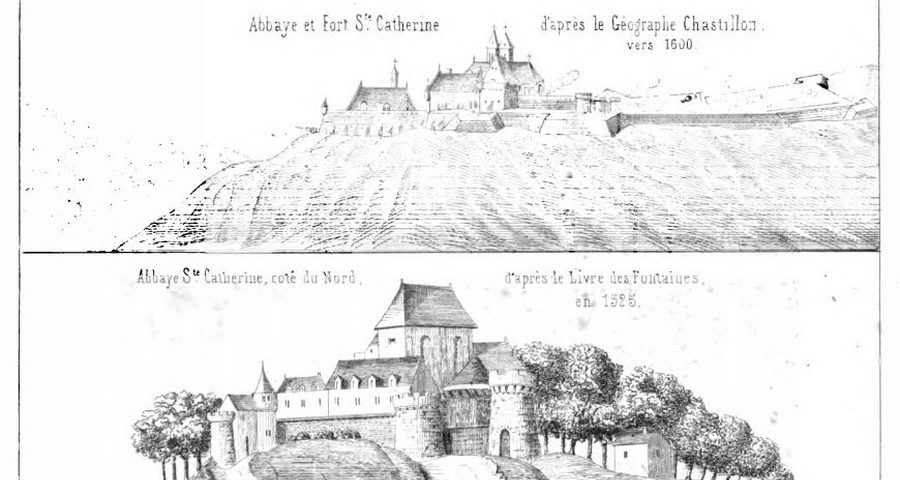 Image: Wikimedia Commons · Public domain
 Image: Wikimedia Commons · CC BY-SA 3.0Image: Wikimedia Commons · Public domain
 Image: Wikimedia Commons · CC BY-SA 3.0
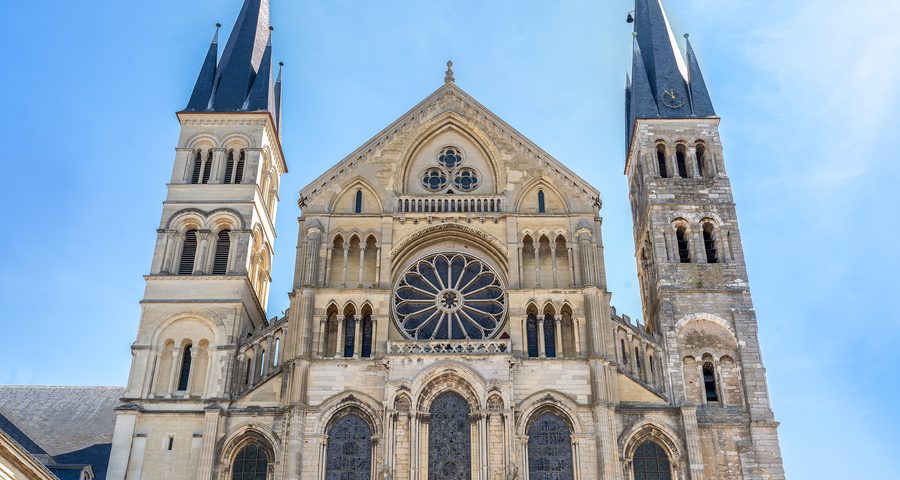 Image: Wikimedia Commons · CC BY-SA 4.0
Other archives unprovenanced charters
There will be a need for a volume gathering together about ten ‘unprovenanced’ charters (several of which might in fact have come from the same [unidentified] archive), perhaps including any further additions to the corpus, and perhaps including a general introduction to the series, with information on the documents themselves, on archives and single sheets, and on the use made of charters in the pre- and post-Conquest periods, extending to the antiquaries and collectors of the sixteenth, seventeenth and eighteenth centuries.
<Ballidon charter in Midland Archives.> <S 96 (Malm 49) and S 308 (Malm 50) belong with this group.>
List to be added.
About the archival profiles
This section of the website provides information on the separate ‘archives’ in which the surviving charters came to be preserved. The reference is not to modern repositories, such as the British Library, but to the religious houses (episcopal sees, monasteries, nunneries, etc.) among whose muniments or in whose cartularies and registers the documents were preserved in the middle ages. The charters from any one such archive, whether an episcopal see or any other form of religious house, have come to be preserved since then in a number of different modern libraries, museums, collections, or institutions.
The section reflects the basic principle upon which the ‘Anglo-Saxon Charters’ project is organised. It was recognised from the outset that surviving texts have to be edited, criticised and understood within their respective ‘archival’ contexts. It is also recognised, however, that the charters preserved in any one ‘archive’ have to be understood within the wider context of all other documents of the same kind, of the same region, or of the same period. Indeed, the archival principle is a key element in the modern criticism of charters: with a few significant and interesting exceptions, observed connections (e.g. unusual features, or details of formulation) between charters of the same apparent date, yet preserved in different archives, are most likely to represent a connection between the charters at the point of production in the Anglo-Saxon period, which can become an important consideration in the editing and criticism of the texts, as well as a valuable tool in the assessment of their wider significance. In effect, distinctive features which seem to be confined to charters preserved in a single archive might have to be explained in terms which applied within the religious house in question, whereas features seen to occur in charters of, say, a particular period, preserved across two or more archives, might be explained more naturally in terms of a common denominator, which might have been the agency of production.
Each of the archival ‘profiles’ accessible from the side menu serves as a brief introduction to the archive in question, comprising some general information on the religious house in question, and basic details of the composition of the archive (single sheets, cartularies, etc.), sometimes with additional information on any other records which happen in each case to be available (house chronicles, collections of obits, lists of benefactors, etc.). The separate introductions in any published or forthcoming archival volume will naturally take matters further, including an extended account of the history of the religious house in question from its foundation onwards, information on its endowment (as first recorded in the Domesday survey), and so on.
The archival profiles originated in 1991-3, as part of a survey of all ‘archives’ from which charters have been preserved. The profiles are made available here as work in progress, for general information. They remain subject to correction, modification, and updating.
Nothing matches — try a house (Abingdon), a county (Dorset), or an editor (Kelly).
Page originally maintained by SDK. Now maintained by awh28.
Last updated: